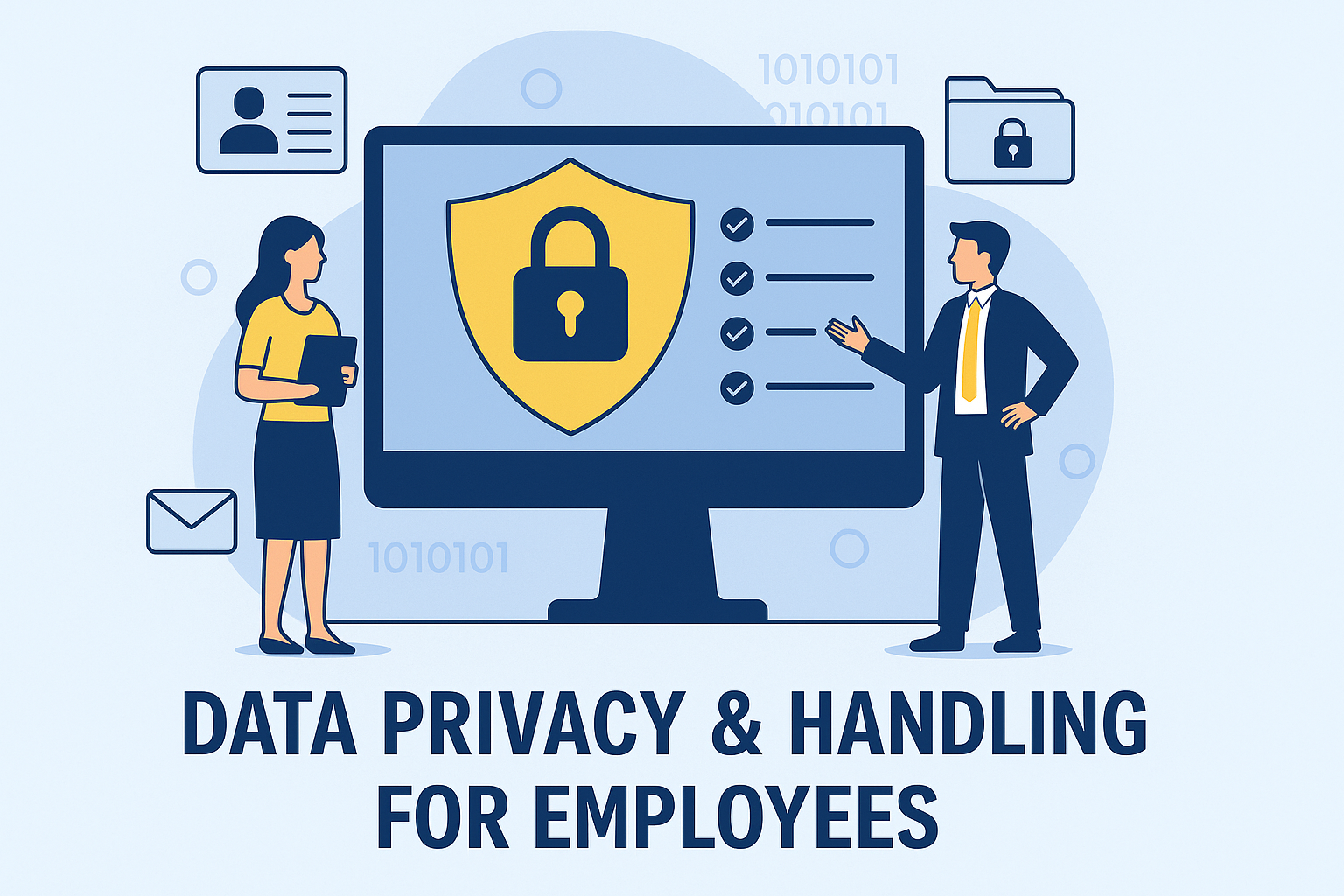
This is a AI Course
- Teacher: Admin User
This is a Testing Evnvironment

یہ کورس پاس ورڈ سیکیورٹی اور ملٹی فیکٹر آتھنٹیکیشن (MFA/2FA) کی اہمیت کو اجاگر کرتا ہے۔
یہ آپ کو مضبوط پاس ورڈز بنانے اور ڈیجیٹل معلومات کو محفوظ رکھنے کے اصول سکھاتا ہے۔
کورس عام غلطیوں، بہترین طریقوں اور توثیقی ایپس کے استعمال پر روشنی ڈالتا ہے۔
یہ تمام ملازمین، طلباء اور آن لائن صارفین کے لیے مفید اور آسان فہم ہے۔

سائبر سیکیورٹی انسیڈنٹ ریسپانس ایک منظم طریقہ کار ہے جس کا مقصد سائبر حملوں کے اثرات کو سنبھالنا اور کم سے کم کرنا ہوتا ہے۔
کسی واقعے کی بروقت شناخت، درست درجہ بندی، اور فوری ردعمل نہ صرف ڈیٹا کے نقصان کو روکتا ہے بلکہ بحالی کے وقت اور لاگت کو بھی کافی حد تک کم کر دیتا ہے۔
یہ تربیت ملازمین کو یہ سکھاتی ہے کہ وہ سائبر سیکیورٹی واقعات کو پہچانیں، فوری رپورٹ کریں، اور مؤثر انداز میں ردعمل دیں تاکہ نہ صرف ان کے سسٹمز بلکہ پورے ادارے کو بھی محفوظ رکھا جا سکے۔

Social engineering is a form of cyber attack that relies on manipulating human behaviour instead of breaking into systems. Attackers use tactics like impersonation, urgency, or fear to trick people into giving up sensitive information or access. It’s one of the most effective techniques because it targets the human element, often bypassing technical defenses.

Cybersecurity threats are constantly evolving, with ransomware being one of the most dangerous and costly.
These attacks lock data or systems until a ransom is paid, often crippling businesses and critical services.
Understanding ransomware and other digital threats is essential to building a secure and resilient environment
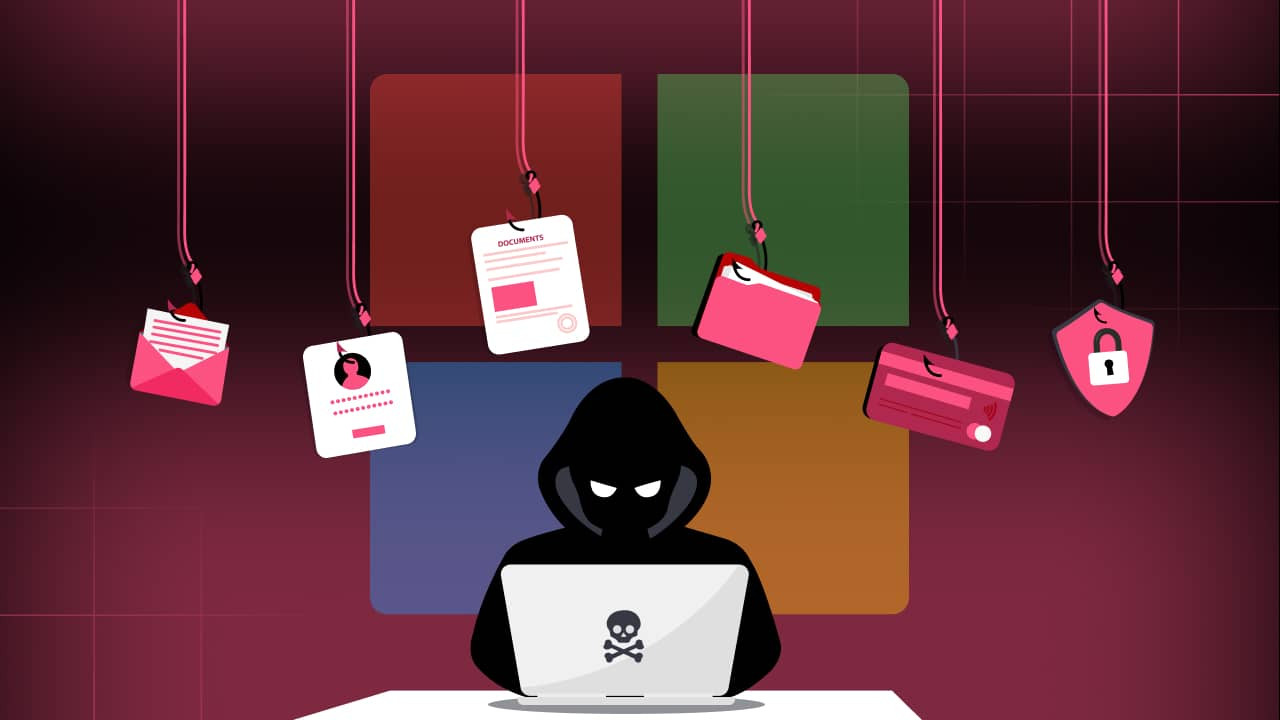
Malware (malicious software) refers to harmful programs like viruses, ransomware, spyware, and worms that can damage systems, steal data, or disrupt operations.
These threats often spread through email attachments, downloads, or unsecured websites.
Understanding and preventing malware is critical for personal safety and organizational security.




Cybersecurity is no longer just an IT function it’s a critical part of every professional’s daily responsibilities. From securing networks to following organizational policies and managing access, employees play a key role in protecting company data. This course gives you the essential tools to stay vigilant and safe in the digital workplace.


شنگ ایک ایسا سائبر حملہ ہے جو تکنیکی خامیوں کے بجائے انسانی کمزوریوں کو نشانہ بناتا ہے۔
یہ حملے بظاہر مستند ای میلز یا پیغامات کے ذریعے صارفین کو دھوکہ دینے کی کوشش کرتے ہیں۔
ملازمین کی بروقت پہچان اور احتیاط ہی تنظیم کو حساس معلومات کے نقصان سے بچا سکتی ہے۔
This course offers a practical, technical dive into real-world networking threats and attack techniques.
It explores common cyberattacks like spoofing, DDoS, and sniffing, detailing how they're executed and detected.
You'll learn modern protection techniques including firewalls, encryption protocols, and intrusion prevention.
By the end, you'll understand how to design, monitor, and secure network environments effectively.
Your home or office network is the front line of defense against cyber threats. This course teaches how to protect it using core technologies like VPNs, firewalls, secure DNS, and hardened routers. Every professional or tech enthusiast must understand these foundations to stay safe online.

Learn to secure real-world networks from interception, tampering, and unauthorized access.
Explore how attackers infiltrate systems and how to model and mitigate threats before they occur.
Dive deep into modern access control systems like RBAC and ABAC with hands-on concepts.
Ideal for students, engineers, and IT professionals starting their journey into network security.

Incident response is the organized approach to managing and mitigating the impact of cybersecurity threats.
Timely detection, classification, and reaction to incidents can greatly reduce damage, data loss, and recovery time.
This training helps employees recognize, report, and respond to incidents to protect both their systems and organization.
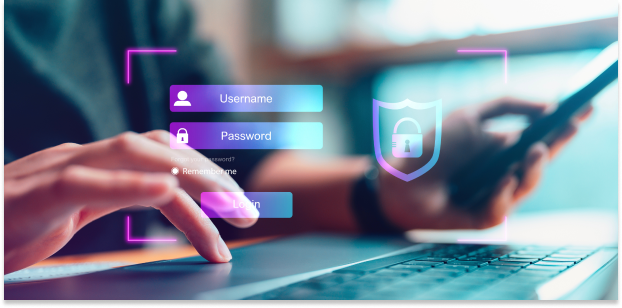
Passwords are the first line of defense against unauthorized access to personal and organizational data.
Weak, reused, or easy-to-guess passwords make systems highly vulnerable to breaches.
Strong password habits help protect sensitive information from both hackers and automated attacks.

Cybersecurity refers to the protection of systems, networks, and data from unauthorized access, attacks, and damage. It is a crucial part of any modern organization’s infrastructure. As technology becomes more advanced, so do the threats.

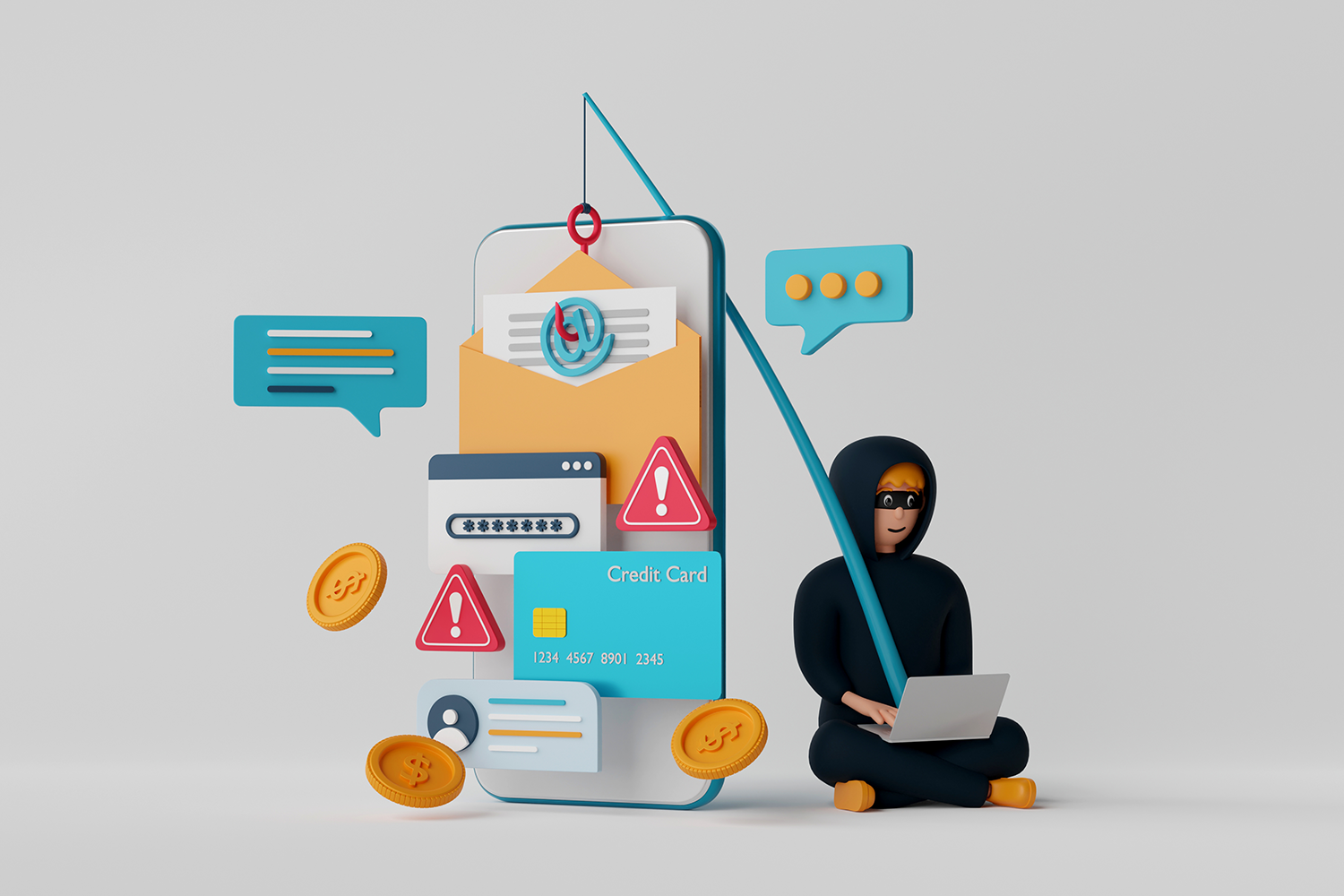
Phishing is one of the most common methods used by cybercriminals to steal information. These attacks usually arrive as emails or messages that look legitimate but are designed to trick you into revealing confidential information, such as login credentials or financial data.

In today’s digital environment, employees use passwords daily to access emails, systems, and company tools.
These credentials are often targeted by cybercriminals through phishing, guessing, or theft.

This course helps employees understand how to safely use mobile devices, browsers, and the internet.
It teaches secure browsing habits, how to protect devices from threats, and why public Wi-Fi is risky.
Essential for anyone accessing work systems or data on phones, tablets, or laptops.
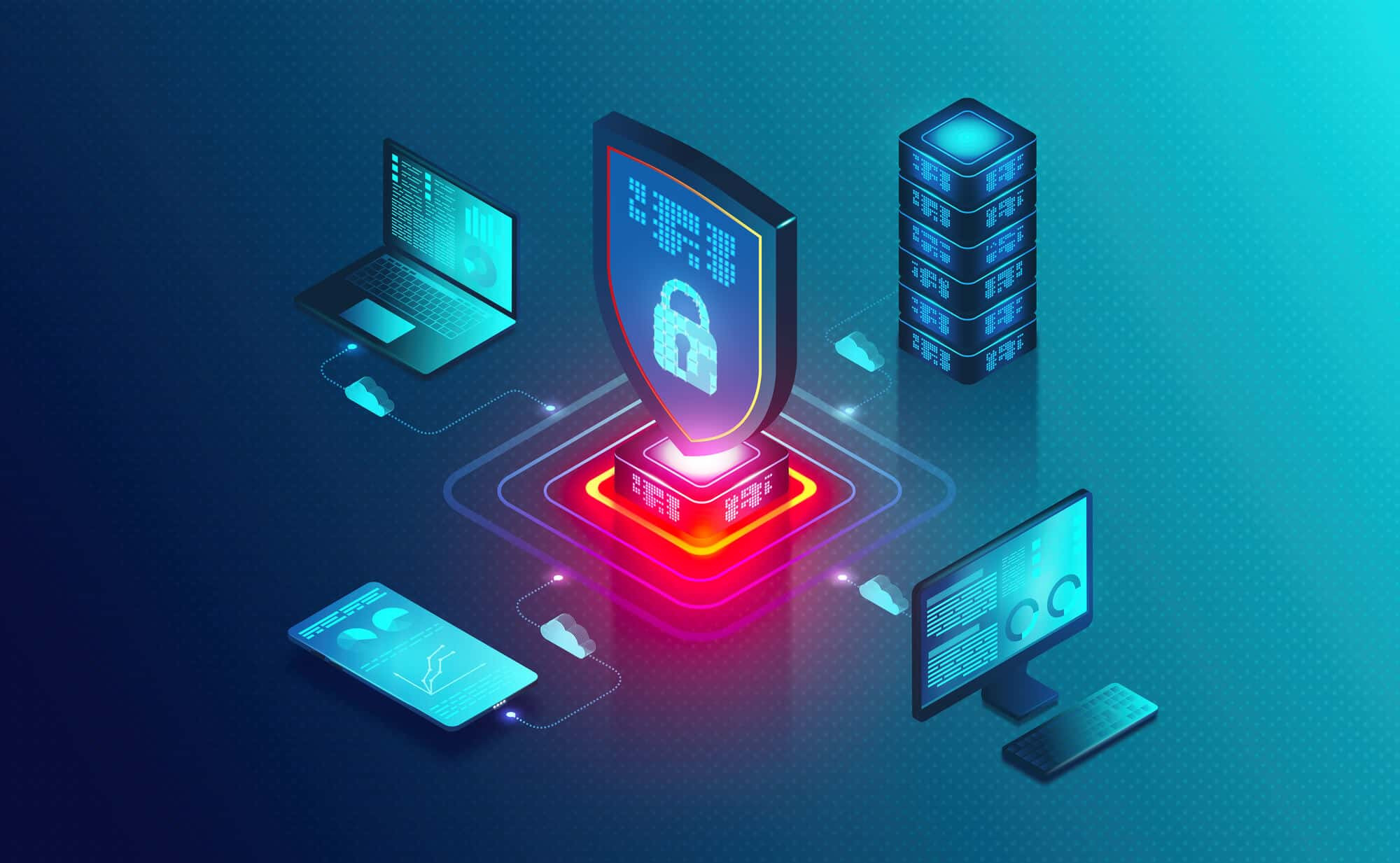
(Cyber Security) ایک ایسا عمل ہے جو کمپیوٹر نظام، نیٹ ورکس، اور سافٹ ویئر کو سائبر حملوں سے محفوظ کرتا ہے۔ یہ حملے اکثر حساس معلومات تک رسائی، انہیں تبدیل کرنا، یا نقصان پہنچانا، رقم کی وصولی کے لیے Ransomware کا استعمال کرنا، یا کاروبار کی معمول کی عمل کو روکنے کی کوشش کرتے ہیں

As the course title states, the focus of this course is to explore the field of cybersecurity. In this course, you will
do the following:
By the end of this course, you will be more aware of the importance of being safe online and the potential consequences of cyberattacks.

This course helps employees identify different types of malware and Ransomware understand how they spread.
It covers how to prevent infections using multi-layered (defense-in-depth) strategies.
Essential for anyone using computers, email, or internet-connected devices at work.

Secure coding practices involve writing software in a way that guards against security vulnerabilities. This course introduces fundamental principles and techniques developers must adopt to prevent exploitation, protect data, and ensure application integrity.
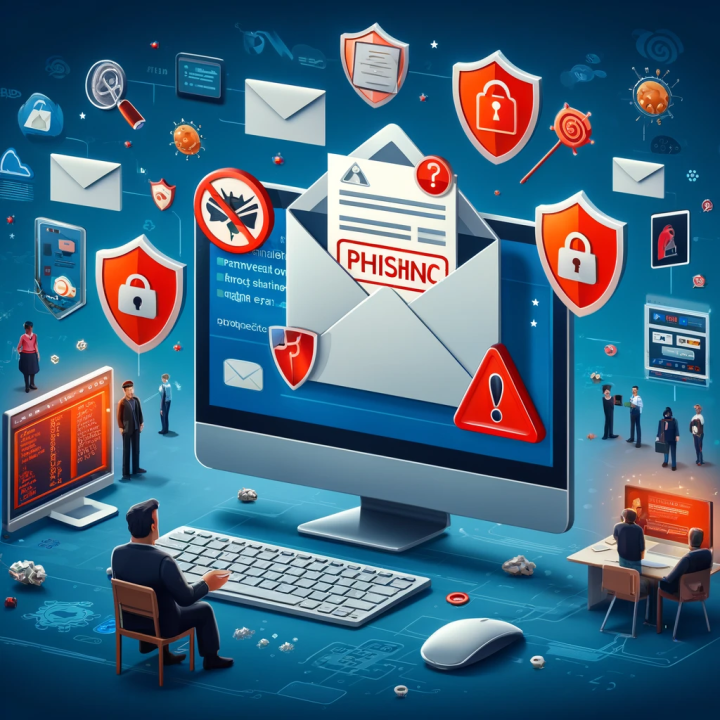
Phishing is one of the most widespread cyber threats, involving deceptive attempts to steal sensitive information such as usernames, passwords, or credit card details. These attacks often appear to come from trustworthy sources—emails, text messages, or websites